Tooth Resorption in Cats: Causes, Symptoms, and Treatment
Learn about feline tooth resorption, a painful condition affecting up to 75% of cats. Understand the causes, recognize symptoms, and explore treatment options.
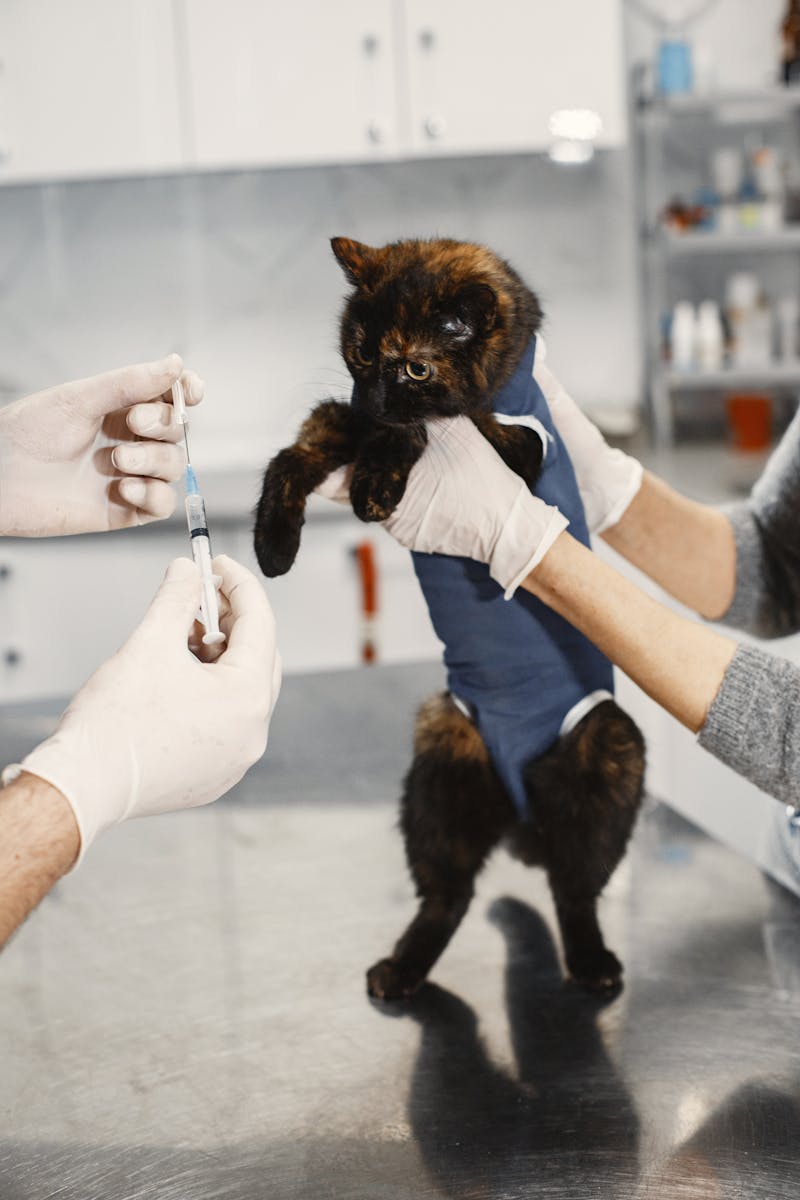
Tooth Resorption in Cats: What Every Owner Should Know
Tooth resorption is one of the most common and painful dental conditions affecting cats, yet many owners have never heard of it. Understanding this condition can help you recognize it early and get your cat the treatment they need.
What is Tooth Resorption?
Tooth resorption occurs when cells called odontoclasts begin to break down and absorb the tooth structure. The process typically starts at the root or at the gum line and progressively destroys the tooth from the inside out.
Unlike cavities in humans (caused by acid-producing bacteria), tooth resorption is a biological process where the cat’s own body attacks and destroys its teeth.
How Common is It?
Tooth resorption is remarkably prevalent:
| Cat Age | Affected Percentage |
|---|---|
| All cats | 20-60% |
| Cats 5+ years | Up to 75% |
| Purebred cats | Higher risk |
This makes it one of the most common feline dental conditions after periodontal disease.
The Two Types of Tooth Resorption
Type 1 Resorption
- Tooth root remains intact on X-ray
- Resorbed areas filled with inflammatory tissue
- Requires complete extraction (tooth and roots)
- Associated with periodontal disease
Type 2 Resorption
- Tooth root being replaced by bone-like material
- Root appears to “disappear” into the jaw
- May allow crown amputation (removing visible tooth, leaving resorbing root)
- Most common type in cats
Some cats have mixed lesions (Type 3) with characteristics of both types.
The Five Stages of Tooth Resorption
| Stage | Description | X-ray Findings |
|---|---|---|
| Stage 1 | Lesion in cementum only | Subtle, hard to detect |
| Stage 2 | Extends into dentin, pulp not exposed | Clear defect visible |
| Stage 3 | Pulp chamber affected | Obvious destruction, bleeding likely |
| Stage 4 | Significant crown destruction | Major tooth loss visible |
| Stage 5 | Root replacement, gum healed over | ”Ghost” roots on X-ray |
What Causes Tooth Resorption?
Despite extensive research, the exact cause remains unknown. Proposed theories include:
Possible Contributing Factors
- Inflammation: Chronic gum inflammation may trigger the process
- Vitamin D imbalance: Some studies suggest dietary factors
- Immune response: Abnormal immune activity attacking teeth
- Acidic oral environment: May promote mineral loss
- Genetic predisposition: More common in certain breeds
What We Know It’s NOT Caused By
- Poor dental hygiene (though this doesn’t help)
- Specific bacteria
- Diet type (wet vs. dry food)
- Previous dental work
Recognizing the Symptoms
Cats are notorious for hiding pain, making detection challenging. Watch for:
Behavioral Signs
- Difficulty eating or dropping food
- Head tilting while chewing
- Preferring soft food over kibble
- Decreased appetite
- Pawing at mouth
- Excessive drooling
- Behavioral changes (irritability, withdrawal)
Physical Signs
- Red, inflamed gums at the tooth-gum junction
- Pink spot on tooth (early sign—gum tissue growing into lesion)
- Chattering jaw when tooth is touched
- Visible tooth damage (in advanced cases)
The Jaw Chatter Response
A characteristic sign: when the affected tooth is touched (even lightly), cats often exhibit an involuntary jaw spasm or chatter. This indicates significant pain.
Diagnosis
Oral Examination
Visual exam may reveal:
- Gum overgrowth covering lesions
- Red spots at gum line
- Obvious tooth damage
However, many lesions are hidden below the gum line.
Dental Radiographs (Essential)
X-rays are critical for:
- Detecting lesions not visible externally
- Determining lesion type (1 vs. 2)
- Planning appropriate treatment
- Finding affected teeth early
AI-assisted dental analysis can help identify subtle changes on radiographs that might otherwise be missed.
Probing
Gentle probing around teeth can identify soft spots where enamel has been destroyed.
Treatment Options
The Hard Truth
There is no cure for tooth resorption. Once it starts, the affected tooth cannot be saved.
Treatment Goals
- Eliminate pain
- Prevent infection
- Maintain quality of life
Surgical Options
Complete Extraction (Type 1)
- Entire tooth and root removed
- Standard surgical technique
- May require sectioning multi-rooted teeth
Crown Amputation (Type 2)
- Visible crown removed at gum line
- Resorbing root left to be absorbed by bone
- Less invasive than full extraction
- Only appropriate when X-rays confirm Type 2
Post-Operative Care
- Pain medication for several days
- Soft food during healing
- Antibiotics if needed
- Follow-up examination
Living Without Teeth
Many owners worry about cats eating without teeth. Good news:
- Cats adapt remarkably well
- Gums harden and can handle kibble
- Most cats continue eating normally
- Quality of life improves without painful teeth
A cat without teeth but without pain is far happier than a cat with painful teeth.
Prevention
Since the cause is unknown, true prevention isn’t possible. However:
What May Help
- Regular dental checkups
- Annual dental X-rays (especially cats 5+)
- Early detection and treatment
- Good overall oral hygiene
Monitoring at Home
- Check your cat’s mouth monthly
- Look for red spots at gum line
- Note any changes in eating behavior
- Watch for drooling or pawing at mouth
Breeds at Higher Risk
While any cat can develop tooth resorption, some breeds show higher incidence:
- Siamese
- Abyssinian
- Persian
- Russian Blue
- Purebred cats in general
When to See the Vet
Schedule a dental evaluation if you notice:
- Any signs of oral discomfort
- Changes in eating habits
- Bad breath
- Red or swollen gums
- Drooling
- Visible tooth damage
For cats over 5 years: annual dental X-rays are recommended even without visible symptoms.
Looking specifically for cat gingivitis treatment?
Tooth resorption and gingivitis can overlap in real-world cases, but immediate next steps differ. If your current concern is inflamed gums, bleeding, or early-stage management choices, read this practical guide: Cat Gingivitis Treatment: Home Care, Vet Options, and Recovery Timeline.
The Importance of Early Detection
| Early Detection | Late Detection |
|---|---|
| Less invasive treatment | More extensive surgery |
| Less pain for your cat | Prolonged suffering |
| Lower treatment cost | Higher costs |
| Better outcomes | Risk of complications |
Conclusion
Tooth resorption is a common, painful condition that affects a significant portion of the feline population. While we can’t prevent it, we can:
- Monitor our cats for signs of dental discomfort
- Schedule regular dental checkups
- Ensure dental X-rays are part of the exam
- Act quickly when problems are detected
Your cat depends on you to recognize when something is wrong. Don’t let this painful condition go undiagnosed.
Sources: Cornell Feline Health Center, Journal of Veterinary Dentistry, American Veterinary Dental College
Frequently Asked Questions
What are the signs of dental disease in pets?
Common signs include bad breath, difficulty eating, drooling, pawing at the mouth, red or swollen gums, loose or discolored teeth, and reluctance to chew on toys. Regular dental checkups can catch issues before symptoms become severe.
How often should my pet have a dental checkup?
Most veterinarians recommend annual dental checkups for dogs and cats. Pets over 3 years old or breeds prone to dental issues may benefit from more frequent examinations. AI-assisted screening can help identify problems between regular visits.
Is dental disease in pets really that serious?
Yes, dental disease affects over 80% of dogs and 70% of cats over age 3. Left untreated, it can lead to pain, tooth loss, and systemic infections affecting the heart, liver, and kidneys. Early detection and treatment are crucial for your pet's overall health.
Want to apply this workflow in your clinic?
Book a Nerovet demo to see practical workflow recommendations for dog and cat dental imaging.